

The Tourism industry is worth $1.26 billion by global expenditures. It’s an important industry, and one of the few that has constant steady growth. It’s also a significant global employer, with 296 million jobs predicted by 2019.
VR tourism could dampen the outlook for this vibrant industry.
What is Virtual Reality?
From vrs.org.uk:
Answering “what is virtual reality” in technical terms is straight-forward. Virtual reality is the term used to describe a three-dimensional, computer generated environment which can be explored and interacted with by a person. That person becomes part of this virtual world or is immersed within this environment and whilst there, is able to manipulate objects or perform a series of actions.
In practical terms, it currently means that you strap on a headset, so that your field of view is taken over by a device that displays a 3D, moving image, and tracks your head movement (and with extra equipment, body movement), and adjusts the generated scene accordingly. This will allow, amoung other things, VR tourism.
Mainstream types of headsets
There are a range of headsets, and they differ greatly in quality and price.
Top of the range: Oculus Rift

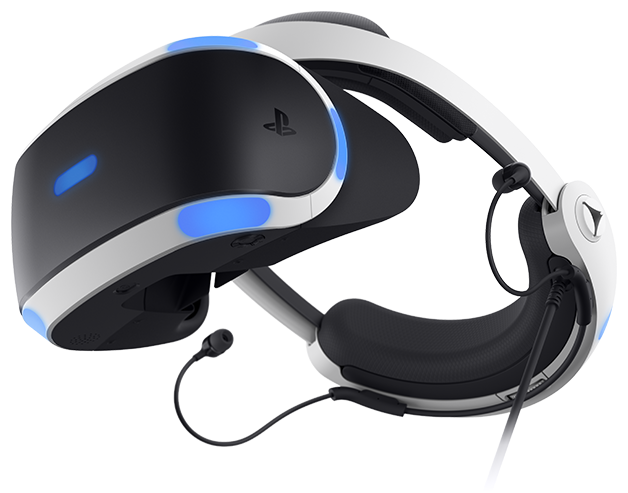
The Oculus Rift is one of the top of the range headsets, at $599.99. Other competitors in this range are the HTC Vive and Sony Playstation VR Headset.
Middle of the range: Samsung Gear VR

The Gear VR is a middle of the range VR headset coming in at $99.00. Other competitors in this range include the Google Daydream VR.
Entry level: Google Cardboard
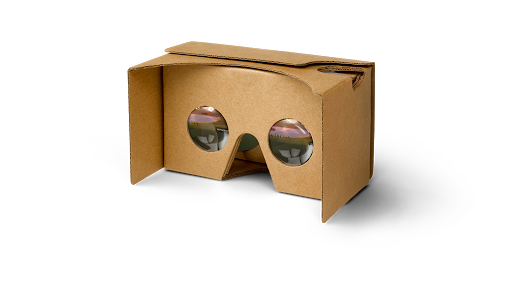
The Cardboard was originally released by Google. Designed as a cardboard structure that can be folded and put together by anyone, it really is an entry level headset allowing for mass adoption of VR, as it can be used in conjunction with most smartphones which people already own. There are multiple competitors in this range, mainly made from plastic.
This is really where most of the action is going to happen, I believe. People will be more willing to try the low end headsets, and with the pace of mobile graphics improvement and cloud-based AI services, these low end devices could kick start the VR tourism revolution.
What does it mean for tourism?

Imagine that instead of spending tens of thousands on overseas trips, for example for a vacation in Paris, you could visit Paris virtually, with just your smartphone and a cheap VR viewer.
While the quality isn’t there yet, it may well be in a few years – it’d be interesting to see what the figures look like after 2019 in terms of the tourism industry. Maybe it won’t have a big impact – but it could well have, as VR tourism makes strong inroads into every day life.